Recycling and Sustainability for Pressure Cleaning Services
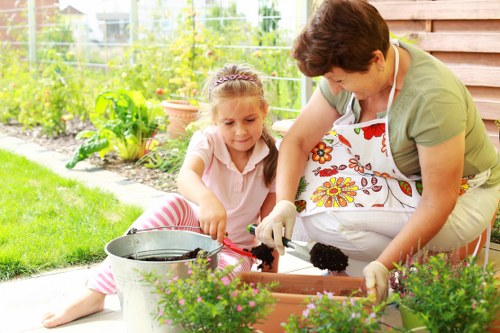 Pressure cleaning services today must balance effective surface restoration with environmental responsibility. Our approach to eco-friendly waste disposal and a sustainable rubbish gardening area is designed to reduce impact while improving local urban cleanliness. Whether you search for pressure washing, power washing or pressure-cleaning solutions, this page explains how our operations prioritize recycling, reuse and low-carbon logistics.
We set a clear recycling percentage target to provide measurable progress: a minimum of 70% recovery and recycling of non-hazardous material by weight from all residential and commercial jobs within borough areas. This target covers reusable paving, metal fixings, glass fragments, mixed plastics from packaging and collected green waste from gardens. We monitor diversion rates at local transfer stations and through partner charities, and report annually on progress and improvements.
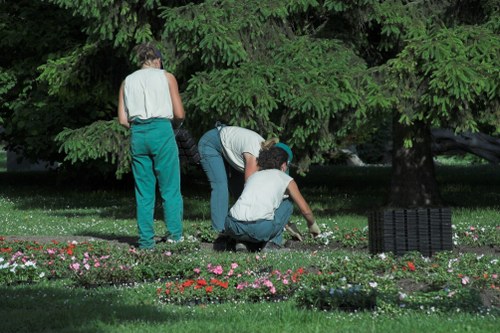 Proper handling of contaminated rinse water and solids is essential. In line with many boroughs' approach to waste separation — including kerbside segregation of glass, paper/card, rigid plastics and garden organics — our crews separate loads at source. Contaminated sludges containing oils or hazardous residues are secured and taken to permitted facilities or local transfer stations for specialist processing, while clean inert materials are diverted to recycling streams.
Fleet, Transfers and Low-Carbon Operations
Our low-carbon vans and optimized scheduling reduce mileage and emissions across service routes. We operate a mixed fleet of electric and Euro 6 hybrid vans for eco pressure cleaning, and employ route-planning software to minimize idling. To support reuse and recycling, each vehicle carries segregated containers for:- Metal and fastening salvage (brackets, screws, anchors)
- Hard landscaping materials (paving stones, reclaimed bricks)
- Green garden waste (clippings, soil, roots) for composting
- Non-recyclable residues held separately for responsible disposal
Sustainable Rubbish and Gardening Area Practices
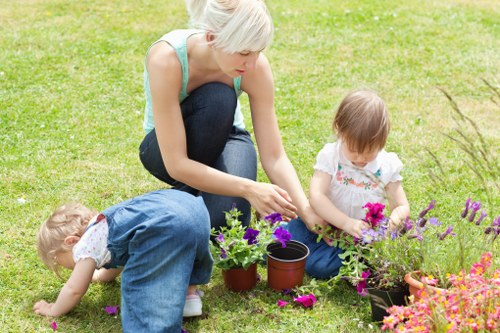
We promote a sustainable rubbish gardening area for all outdoor cleans. Garden clearances follow borough guidelines for compost bins and green-bin schemes, and where feasible we channel garden waste to community composting sites. Soil and organic materials are mulched on-site or transferred to partner allotments and urban farms. Reclaimed paving and stone are set aside for reuse; small quantities are offered to local charities or reused in community projects, while larger volumes are delivered to transfer stations that accept salvageable materials.Partnerships with charities and community groups are a cornerstone of our sustainability model. Items that are removed but remain in usable condition — such as planters, benches, or intact pavers — are evaluated and, where safe, donated to registered local charities or social enterprises. We maintain working relationships with local reuse hubs and building-material charities to ensure functional items avoid landfill. We do not accept items destined to cause environmental harm; hazardous materials go to licensed facilities.
 Crew training and operational controls ensure correct separation of recyclables on site. Our teams are trained to recognise borough-specific sorting rules — for example, some boroughs request mixed plastic in one bin, while others require rigid plastics and film to be separated. We adapt to local transfer station acceptance criteria so that diverted materials actually enter circular processing streams instead of being downcycled or disposed of.
 Measurement, transparency and continuous improvement are built into our sustainability program. We track:
- Tonnes diverted from landfill per quarter
- Percentage of materials recycled or reused (our 70% target)
- CO2e reductions from electrified vans and route optimization
Our pressure-cleaning company also manages hazardous by-products responsibly. Oils, fuel residues and chemical concentrates are segregated, labelled and transported to licensed hazardous waste transfer stations. We collaborate with permitted facilities that accept such wastes and can provide certificates of transfer for institutional clients, public spaces and borough maintenance contracts. This ensures full traceability and compliance with local environmental health rules.
Community engagement complements operational measures. We work with borough councils to align with seasonal garden waste collections and weekend bulky-item reuse events. By linking our pickups to local reuse days and transfer station timetables, we increase the odds that good-quality materials find new life in gardens, community schemes or affordable housing projects rather than becoming waste.